






Care Tips
Chit Chat Vs. Conversation in Dementia
Teepa shows how to make the most from the ability to communicate with dementia. Watch now.

Clinical Trials
Experimental Drug Buntanetap Completes Phase 2 Trials
VIDEO + ARTICLE: An experimental drug produced by Annovis has received its generic name following successful completion of its Phase II trials. Buntanetap is intended
Diagnosis
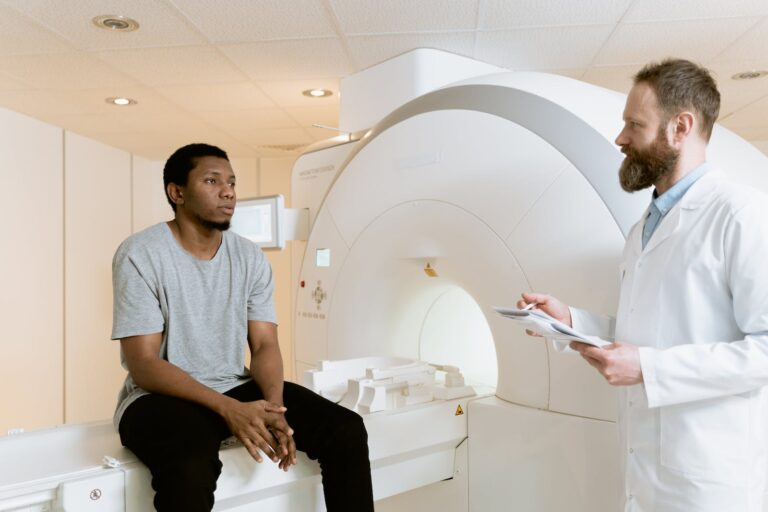
Amyloid PET Scan Coverage Approved at Last
Amyloid Scans diagnose and treat Alzheimer’s, at a hefty price. 11 years after FDA approval, Medicare can finally help.

Prevention
Optimizing Brain Health
How does a healthy brain work? What can we do to keep our brain healthy? Watch this engaging University of California exploration on making neurons “happy”.
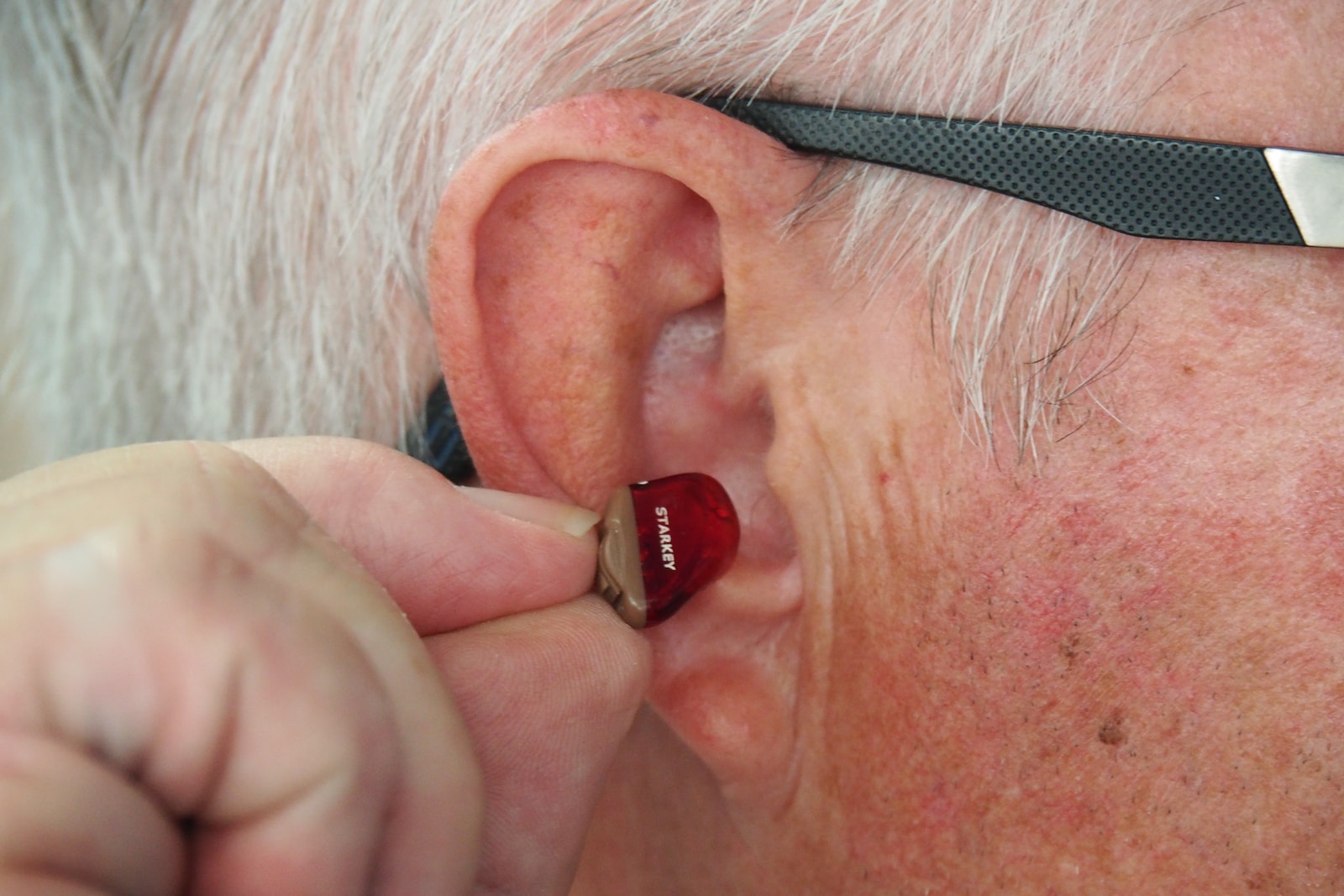
It is very well-established that there is a strong correlation between hearing loss and dementia in general / Alzheimer's in particular. The question remains as to what the relationship might be. Studies to date indicate that it may be a very complicated relationship, and one that is likely different from person to person. Hearing loss may develop first and trigger dementia and/or make it worse … dementia may develop first and trigger hearing loss and/or make it worse … some third factor may trigger both hearing loss and dementia at the same time … or some combination of the three. And it turns out there's quite a bit of supportive evidence for all three. This was discussed in some detail on the Alzheimer's Association discussion forums a while back — see SunnyCA's post:
http://www.alzconnected.org/discussion.aspx?g=posts&t=2147497080
For more on Dr Lin's studies in particular, see, e.g., his 2013 paper:
http://www.ncbi.nlm.nih.gov/pmc/articles/PMC3869227/
Lin, F. R., Yaffe, K., Xia, J., et al. (2013). Hearing loss and cognitive decline in older adults. JAMA internal medicine, 173(4), 293-299.
Hi,
Thanks for the comment. I was thinking about that before creating this post, as the doctor in the video clearly says that a hearing aid may help to lower risk, which is a form of prevention.
It seems like his thinking is that it is well established that certain lifestyle factors are associated with lower risk of dementia. These include being social and doing brain exercises in an active way, but not in a stressful way. Stress has been clearly associated with higher risk. I know that when I talk to my Dad and he cannot hear me clearly because he is not wearing his hearing aid, we both get pretty stressed.
So in the long run, if a person needs a hearing aid in their 50s or 60s, it can save them from decades of stress, social avoidance and decreased brain exercise. Though no one has the magic prevention potion, research clearly shows that all this does add up to a healthy helping of lifestyles associated with lowering the risk of dementia.
It sounds like it makes sense.
Help persons with dementia already? Absolutely. Prevent dementia? I doubt it. Too many people with perfect hearing have dementia.Let's not forgo logic here people. Connected is one thing. Causing is a whole other thing…