Diet’s Effect on 500,000 British Brains
Our change in diet has been proposed as being the underlying reason for the dramatic increase in the prevalence of Type II diabetes that we are observing worldwide in our time. What’s that doing to our brains?
Our change in diet has been proposed as being the underlying reason for the dramatic increase in the prevalence of Type II diabetes that we are observing worldwide in our time. What’s that doing to our brains?
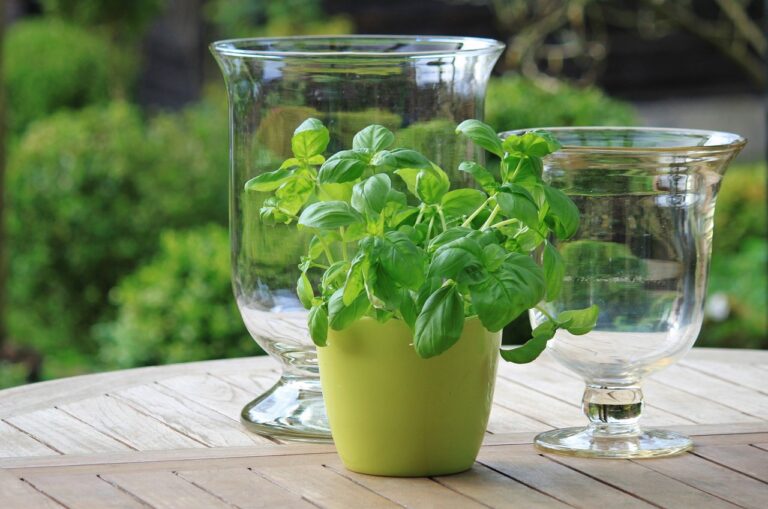
A preclinical study finds that a natural component in basil reduces neurotoxicity in the Alzheimer’s brain. Learn more.

RECIPE: “Brain foods” are neuroprotective, fighting Alzheimer’s by lowering risk and helping to resist cognitive decline. This flavorful dish combines 4 of the best “brain foods”: fish, coconut oil, curry and fenugreek. Enjoy its Indian flair.

DIET VIDEO: See the results of a full-blown double-blind randomized trial where saffron was added to a dementia diet.
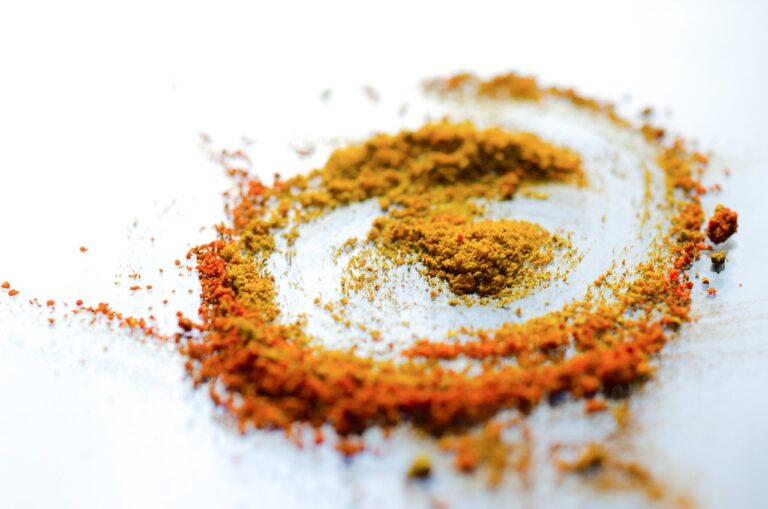
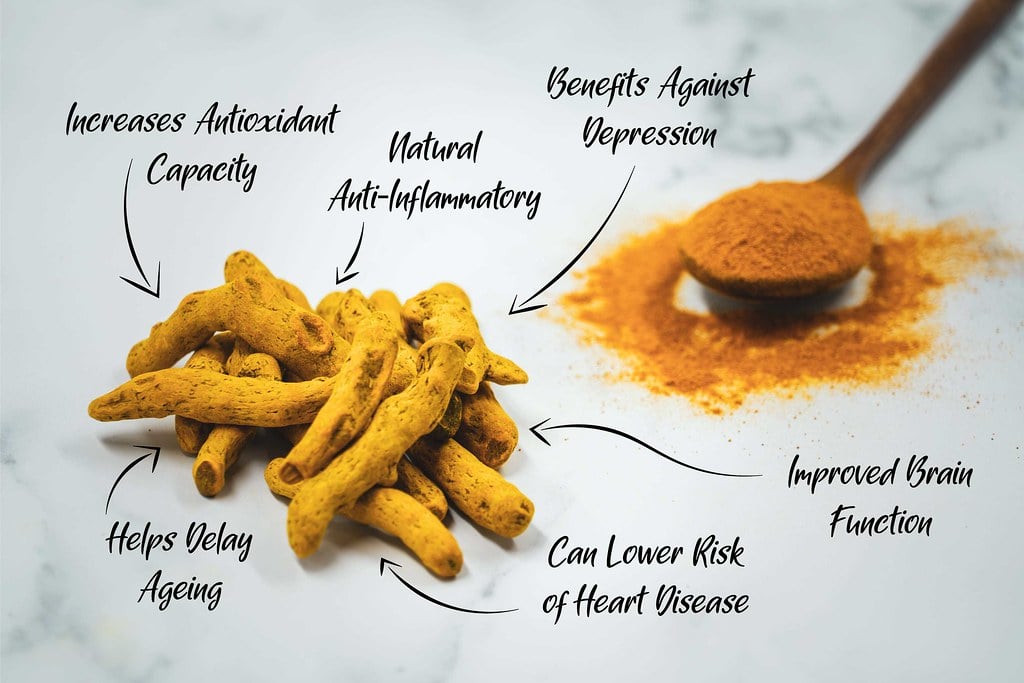
J147 is a derivative of curry’s turmeric spice. It beat the Alzheimer’s drug Aricept (generic: donepezil) on several memory tests. The Salk Institute says it may benefit Parkinson’s, Huntington’s & vascular dementia.
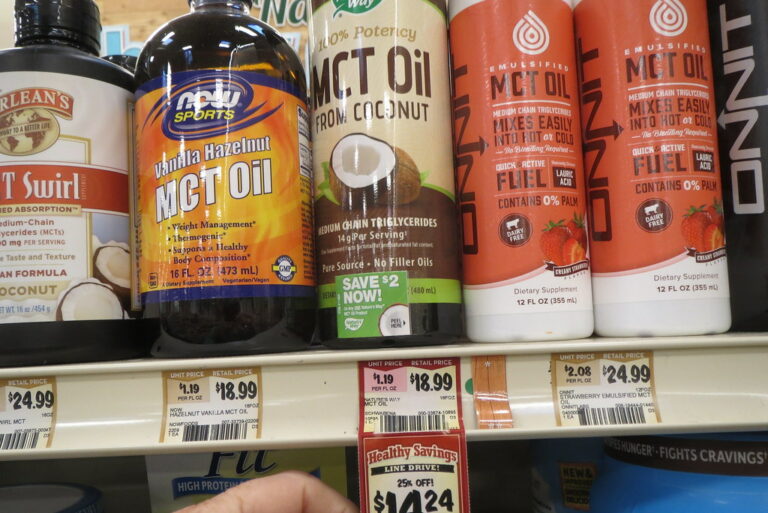
VIDEO + INFO: Cheaper than drugs, natural MCT OIL (Medium Chain Triglycerides) generates ketones, which can boost energy to brain cells in dementia. What are healthy food sources? How much is best?

ASTONISHING VIDEO & ARTICLE: Dementia-risk was tested for 17 sugar levels in 2000 people. Each higher level bumped up the risk, without exception. See why researchers found these results so compelling.
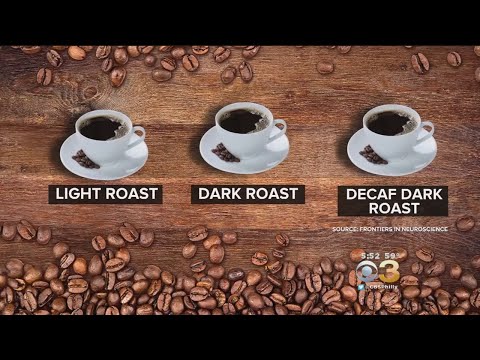
VIDEO + ARTICLE: Roasting coffee beans produces Phenylindanes, which inhibit tau and amyloid plaque, the two big culprits behind Alzheimer’s and Parkinson’s. Learn how they defend against cognitive decline.
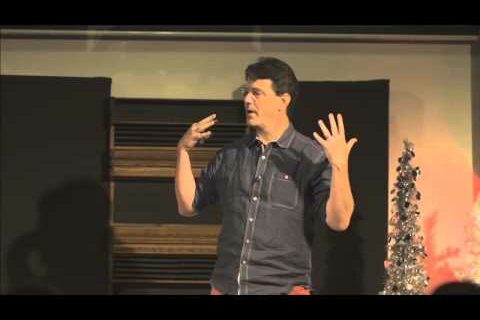
TEDx HEALTH VIDEO:
Alzheimer’s & brain insulin are so strongly connected, it’s earned Alzheimer’s the nickname, “Type-3 Diabetes.” Watch this eye-opening, entertaining video to understand the connection. Find out what you can do.
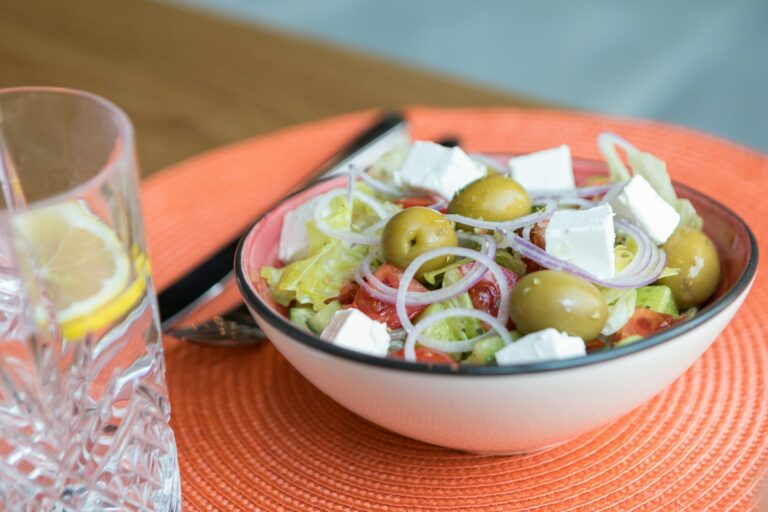
DIET VIDEO: An explosion of research on the Mediterranean Diet clearly associates it with less risk of getting Alzheimer’s and lower mortality for people who have Alzheimer’s. Get the facts.

SHORT-TERM MEMORY lapses are obvious signs of Alzheimer’s, but other tell-tale signals begin to show much earlier. Learn how to look for semantic impairments, such as simple questions about size.
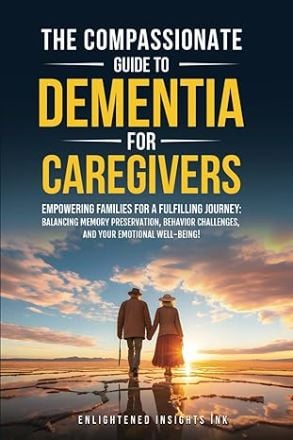
Discover compassionate, practical and proven strategies to navigate dementia care confidently, ensuring the well-being of both you and your loved one.

How can military service impact brain health? What are specific risk factors? Are there vital steps soldiers can take towards dementia prevention and treatment?
SHORT-TERM MEMORY lapses are obvious signs of Alzheimer’s, but other tell-tale signals begin to show much earlier. Learn how to look for semantic impairments, such as simple questions about size.

Three important dementia studies focus on HS-AGING, a type of dementia almost as common as Alzheimer’s in the 85+ group. Yet few people have heard of it. Why? What makes it different?
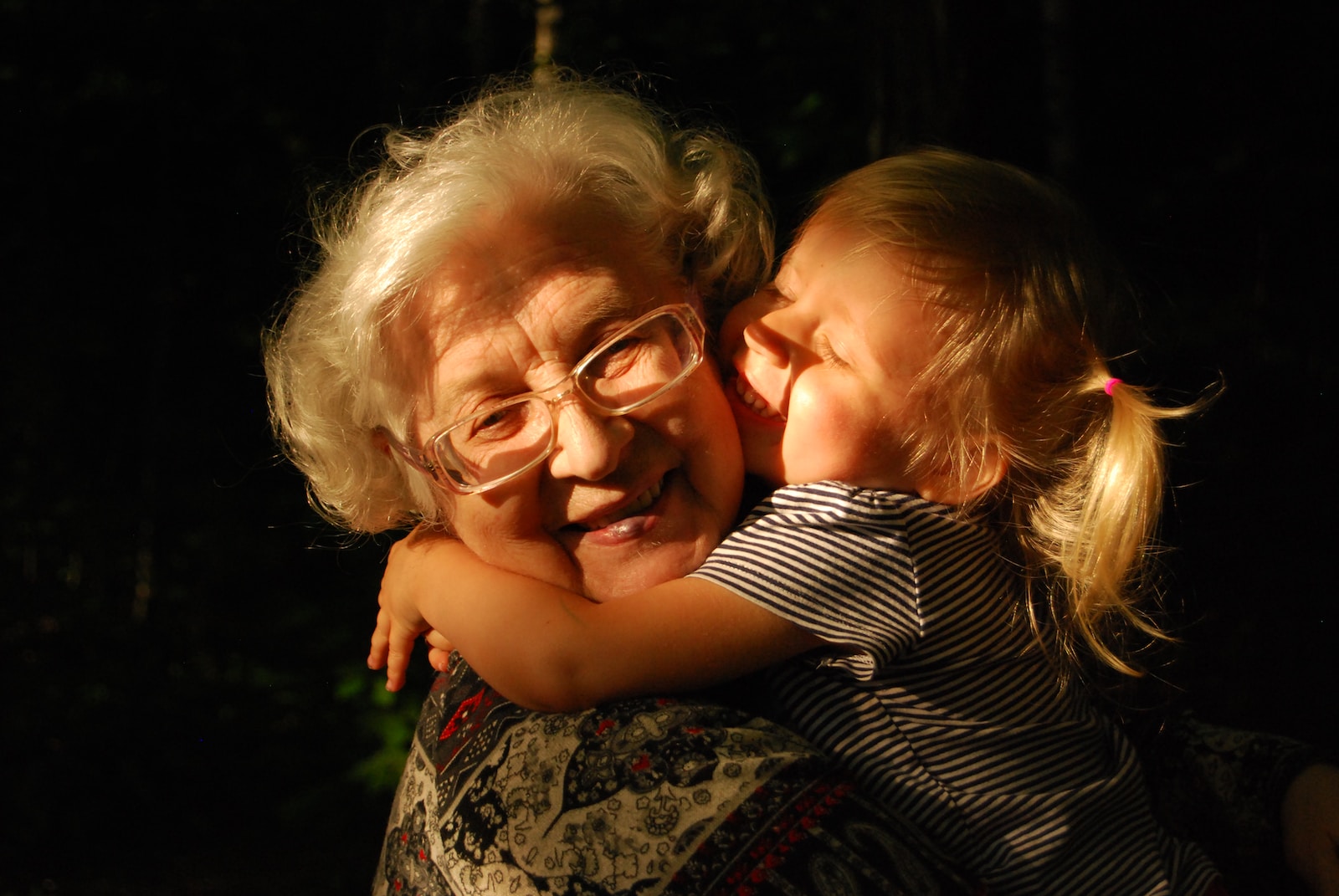
An intriguing study of 120 grandmothers might surprise you. Doctors know socially engaged people have better cognition and less dementia. But can a person get too much of a good thing? What’s the right balance?

Enjoy this great duet between a musician with dementia and his son. A triumph of spirit over Alzheimer’s! Sing-a-long if you like!