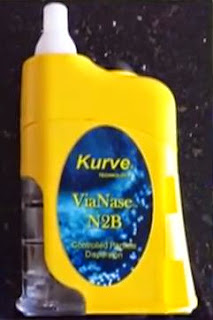
SNIFF: Insulin Spray For Alzheimer’s
RESEARCH VIDEO – Alzheimer’s International Conference: See NIH-sponsored research exploring intranasal insulin as a potentially strong treatment for dementia.
RESEARCH VIDEO – Alzheimer’s International Conference: See NIH-sponsored research exploring intranasal insulin as a potentially strong treatment for dementia.
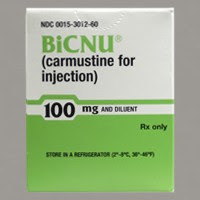
Florida researchers noticed that people with cancer tended not to get Alzheimer’s disease. So, FDA approved anti-cancer drugs were screened to see how well they

The BBB (blood-brain barrier) has long blocked many oral drugs from getting to the brain. Nose-to-brain delivery of Alzheimer’s drugs is a breakthrough technique that
VIDEO & ARTICLE: Alzheimer’s starts doing damage years before anyone notices any signs. Many doctors believe that if we could only catch it early enough,
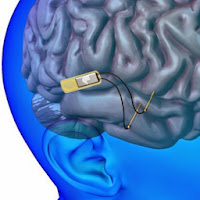
Can an implantable neural device stimulate brain cells to help restore memory? Find out why the U.S. Department of Defense is betting millions that it

Roche’s “Brain Shuttle” technology is helping antibodies fight Alzheimer’s. The body’s “Blood-Brain Barrier” blocks antibodies from getting to an Alzheimer’s brain. Learn how the Roche

VIDEO: Interested in Alzheimer’s research? Then don’t miss these Alzheimer’s Disease Progress Report highlights. See why the NIH is America’s center of dementia research.

Researchers discovered how genetic mutations in Huntington’s disease kill brain cells. Learn why this discovery may be relevant to other types of dementia, as well.

The Alzheimer’s drugs on the market today help compensate for the problems caused by Alzheimer’s. However, they do not stop the disease or change its
The off-label use of current antipsychotic medications for dementia is linked to increased mortality, serious adverse events, and cognitive decline. Learn how the pimavanserin trial
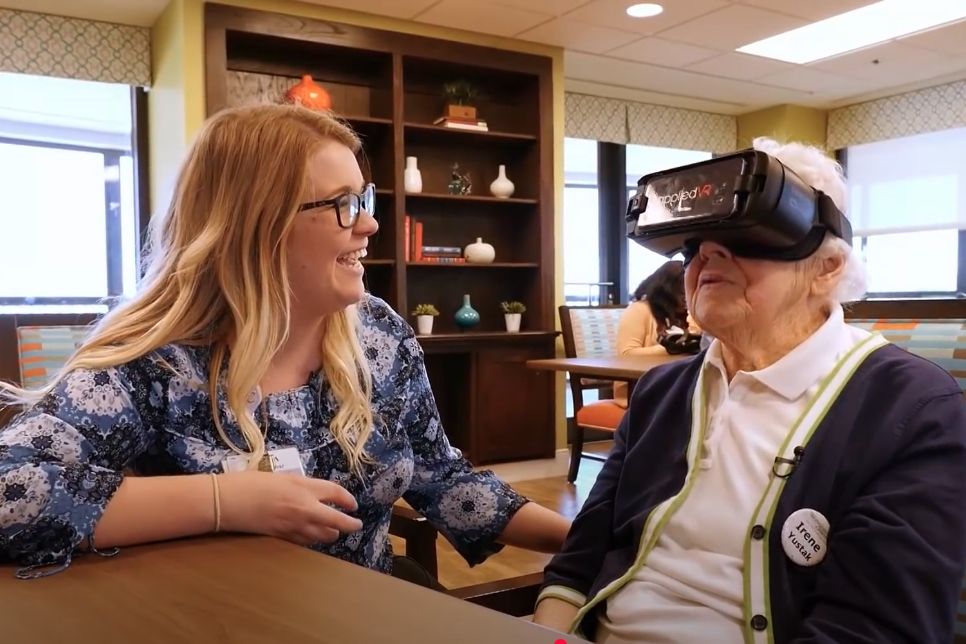
See how living with dementia can be a full and meaningful life, in this Virginia Film Festival movie. Watch innovative approaches in memory care communities that improve the well-being of residents.
Twenty percent of people over 65 have mild memory and thinking problems that don’t interfere with day-to-day life. Doctors call this MCI, short for Mild Cognitive Impairment. Find out more about what it is and what to do about it.

FREE DOWNLOAD: This booklet is rich with care practices based on research by highly-credentialed investigators.

SHORT-TERM MEMORY lapses are obvious signs of Alzheimer’s, but other tell-tale signals begin to show much earlier. Learn how to look for semantic impairments, such as simple questions about size.

Three important dementia studies focus on HS-AGING, a type of dementia almost as common as Alzheimer’s in the 85+ group. Yet few people have heard of it. Why? What makes it different?

An intriguing study of 120 grandmothers might surprise you. Doctors know socially engaged people have better cognition and less dementia. But can a person get too much of a good thing? What’s the right balance?

Enjoy this great duet between a musician with dementia and his son. A triumph of spirit over Alzheimer’s! Sing-a-long if you like!