Cataract Removal Linked to Reduced Dementia Risk
VIDEO + ARTICLE Eliminating sensory loss due to cataracts — by removing the cataracts — could reduce one’s risk of developing dementia, according to research
VIDEO + ARTICLE Eliminating sensory loss due to cataracts — by removing the cataracts — could reduce one’s risk of developing dementia, according to research
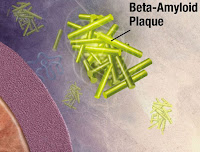
Incredible images taken by the world’s largest synchrotron exposed a missing link in the early-Alzheimer’s cascade. They imply new drugs may do better stabilizing amyloid

VIDEO + ARTICLE: Using olive oil instead of mayonnaise, margarine and dairy fat such as butter can reduce your risk of developing a neurodegenerative disease

Researchers in Houston, Texas find that taking a cholinesterase inhibitor such as donepezil may increase one’s trips to the bathroom. Learn more.

VIDEO: Researchers in the “90+” study find that one form of the so-called Alzheimer’s gene, ApoE-2, actually appears to protect the “oldest old” against the

VIDEO + ARTICLE: Researchers say a health lifestyle aimed at reducing frailty could help prevent dementia, even among those at high genetic risk for dementia.

The majority of nursing homes in California have not reached full compliance with a statewide COVID-19 vaccine mandate for staff at long-term care facilities, and

An experimental drug, NAP, has been found to remedy slow development, poor communication and brain issues similar to those found in Alzheimer’s patients. Find out

RESEARCH & TREATMENT: Researchers find an experimental drug for liver cancer and Dasatinib, approved for chronic myeloid leukemia, act upon some Alzheimer’s disease related proteins

OLD-NEW DRUG RESEARCH: The diuretic bumetanide, used for more than 30 years to treat hypertension and heart failure, was also found to reverse signs of

Baylor University/Dell Medical School study reveals surprising link between technology use and reduced risk for dementia for older adults.

POEM: Moving poetry about mothers, dementia and powerful love.

MOTHER’S DAY USA, MAY 11, can remain a meaningful and enjoyable occasion for families impacted by Alzheimer’s. Planning takes more thought and each family’s unique circumstances need to be considered. These tips can help:

SHORT-TERM MEMORY lapses are obvious signs of Alzheimer’s, but other tell-tale signals begin to show much earlier. Learn how to look for semantic impairments, such as simple questions about size.

Three important dementia studies focus on HS-AGING, a type of dementia almost as common as Alzheimer’s in the 85+ group. Yet few people have heard of it. Why? What makes it different?
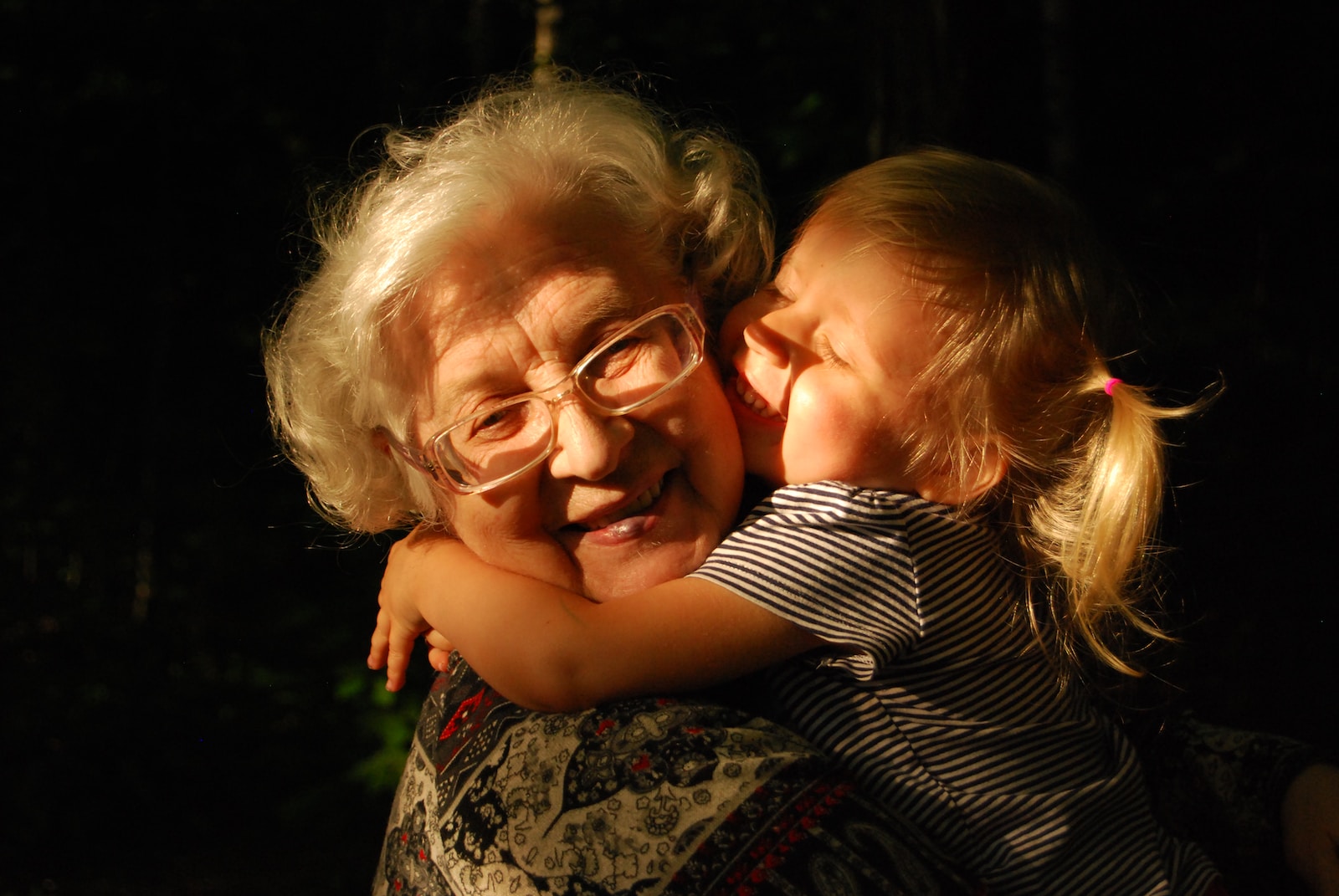
An intriguing study of 120 grandmothers might surprise you. Doctors know socially engaged people have better cognition and less dementia. But can a person get too much of a good thing? What’s the right balance?

Enjoy this great duet between a musician with dementia and his son. A triumph of spirit over Alzheimer’s! Sing-a-long if you like!