Healing Gardens for Dementia
A new study reveals the power of gardens in helping staff provide good care for dementia. See how gardens offer benefits that are low-cost, drug-free and refreshing to both patient and carer.
A new study reveals the power of gardens in helping staff provide good care for dementia. See how gardens offer benefits that are low-cost, drug-free and refreshing to both patient and carer.

Fifty percent of people with Lewy Body Dementia said they were originally misdiagnosed with a type of dementia such as Alzheimer’s. Find out how LBD is exquisitely sensitive to certain medications, and why an early, accurate diagnosis is critical.

Outbursts of anger may trigger strokes and other cardiovascular problems that are foundations of vascular dementia. The differences are not subtle, as angry people may be tripling their chances of a stroke leading to vascular dementia. Get the relevant details.

See safety and effectiveness rankings for four Alzheimer’s drugs. Ranked on concentration, memory, alertness and mood, learn what the researchers found.
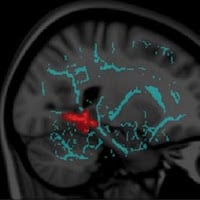
Brain patterns in concussions are similar to patterns seen in Alzheimer’s. Why? The initial traumatic event that caused the concussion may trigger a sequence of degenerative changes in the brain.
With 1.7 million annual concussions in the U.S., learn more about these relevant findings.

During aging as well as during Alzheimer’s or Parkinson’s disease, iron accumulates in the human brain. Now, researchers found that in vertebrates, a microRNA called
Dr. Rudy Tanzi is a top researcher in the fight against Alzheimer’s. Chris Mann is a famed music star. Learn about the latest research and see how they join forces in this remarkable video.
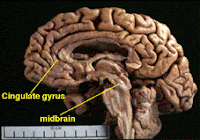
LEWY BODY DEMENTIA is the second most common dementia as well as dementia’s most misdiagnosed type. Yet diagnosing it correctly is crucial for proper treatment. Learn about the 2 types of LBD, as well as types of dementia for which doctors mistake it.
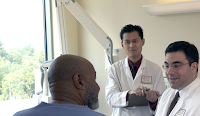
Medical students often learn the technical facts of Alzheimer’s without learning about the people. Find out how a new program helps medical students better understand people with dementia — at the art museum.

FORGETFUL? Is it normal aging or a real problem? Learn 9 things you can do about it. Compare 5 serious memory problems against normal forgetfulness.
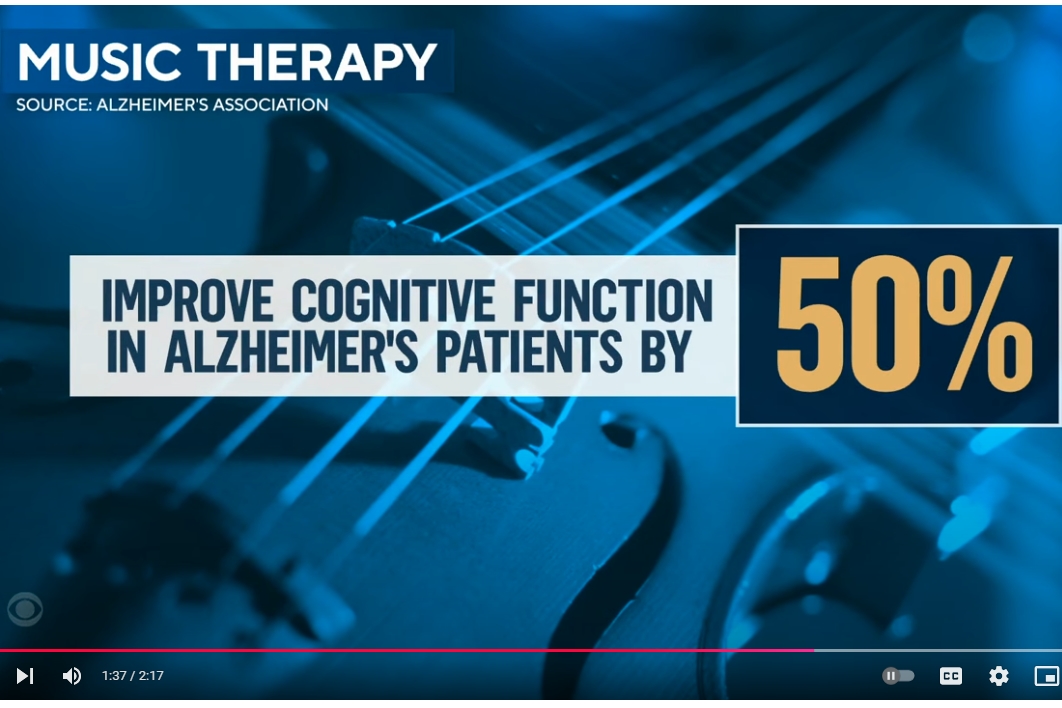
Grace Sun uses her free time to play piano for seniors with Alzheimer’s. More than 100 musicians have joined her movement. See their impact.
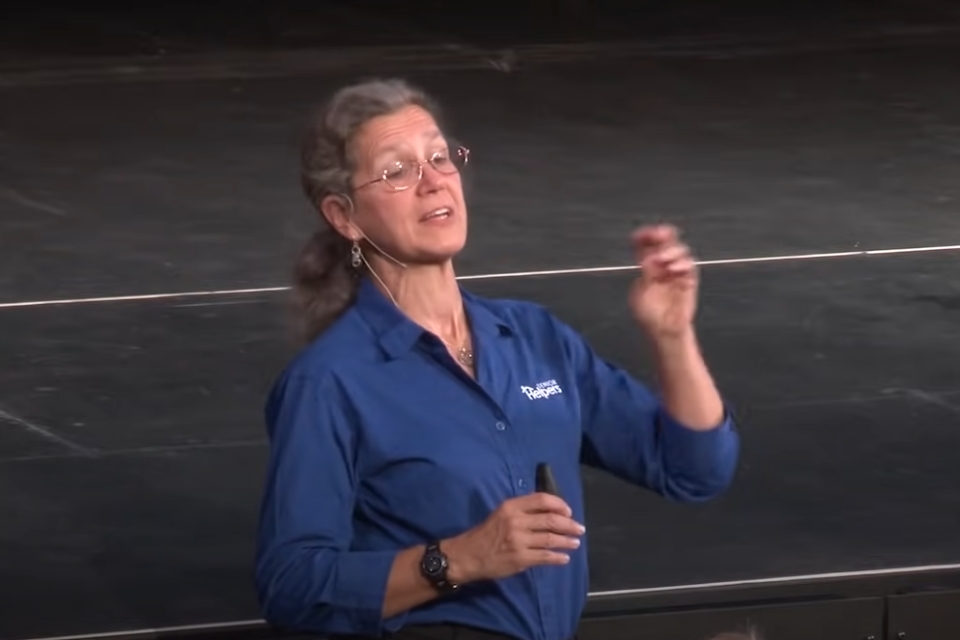
DIAGNOSIS VIDEO: Recognize the 10 early signs of dementia. Watch this engaging, clear presentation by Dementia Care Trainer Teepa Snow.

BETTER MOOD: In dementia, the brain loses abilities. This changes personality and behavior. Use this tip sheet’s suggestions to better understand, cope and manage the changes.
SHORT-TERM MEMORY lapses are obvious signs of Alzheimer’s, but other tell-tale signals begin to show much earlier. Learn how to look for semantic impairments, such as simple questions about size.

Three important dementia studies focus on HS-AGING, a type of dementia almost as common as Alzheimer’s in the 85+ group. Yet few people have heard of it. Why? What makes it different?
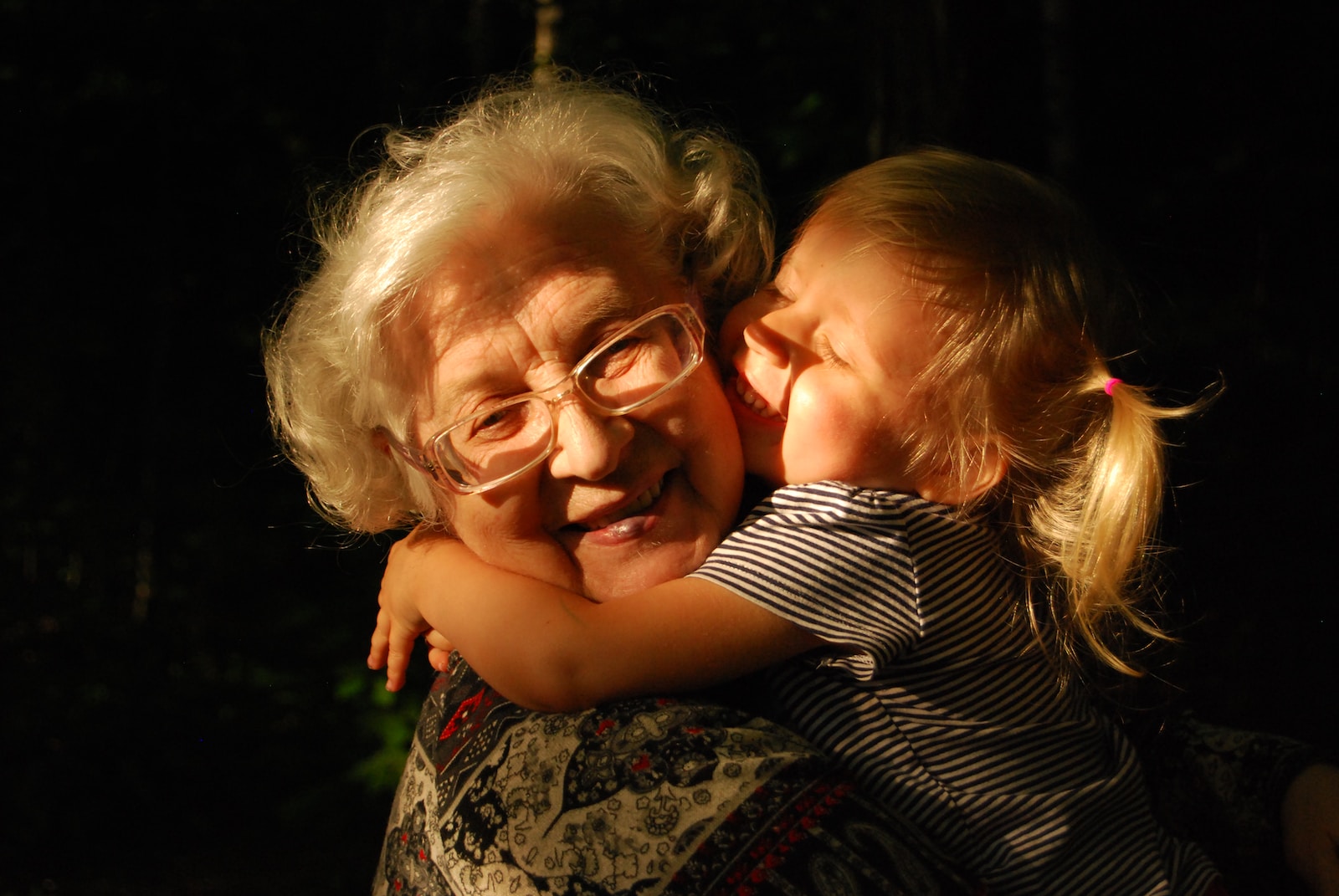
An intriguing study of 120 grandmothers might surprise you. Doctors know socially engaged people have better cognition and less dementia. But can a person get too much of a good thing? What’s the right balance?

Enjoy this great duet between a musician with dementia and his son. A triumph of spirit over Alzheimer’s! Sing-a-long if you like!