Barbara Will Change Your Attitude to Dementia
FILM: “BARBARA” is a highly successful British film on dementia. It improves relationships between people with dementia, caregivers, doctors & nurses. “Barbara” is a must-see.
FILM: “BARBARA” is a highly successful British film on dementia. It improves relationships between people with dementia, caregivers, doctors & nurses. “Barbara” is a must-see.
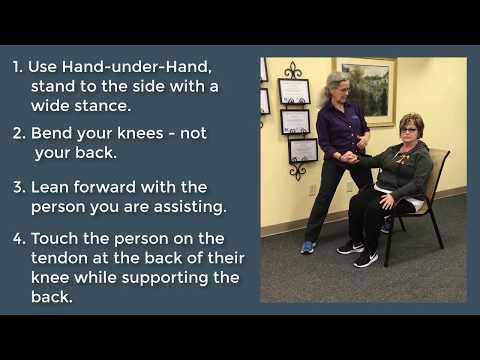
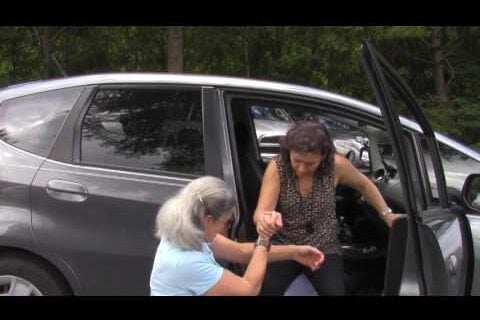
Teepa Snow: EMERGENCIES FROM FALLS increase 54% in dementia. Many happen while trying to sit down. Falls injure 1-in-3 seniors. See how to help them sit down safely.
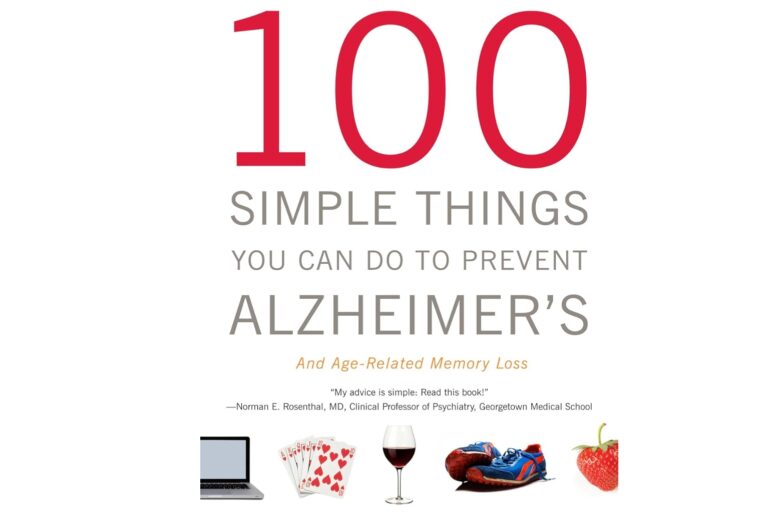
VIDEO & ARTICLE – BOOK OF THE WEEK: CNN’s former medical correspondent has written a book on dementia containing “100 Simple Things You Can Do to Prevent Alzheimer’s and Age-Related Memory Loss”. Backed by good science, see the author discuss a few of these “100 Simple Things” that help preserve thinking and memory.

For 12 years, I’ve cared for my wife with Alzheimer’s, through heartache and joy. Learning from me and my loved one, may these tips provide you real opportunities to live well with Alzheimer’s.
It’s not that caregivers have so much time. It’s that they have so much heart.
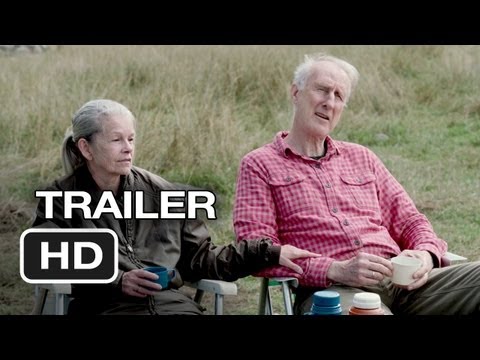
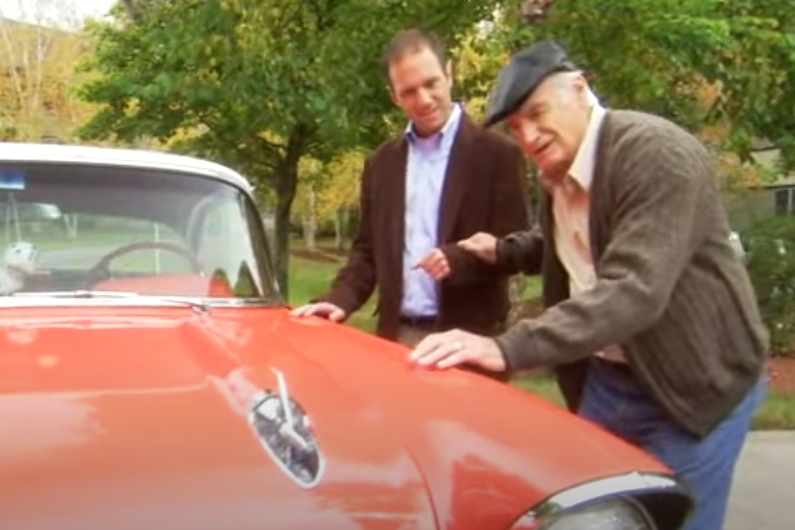
INSPIRING MOVIE: “Still Mine” is the true story of an 87-year-old strawberry farmer & cattle rancher. Craig will do anything for his wife Irene, weakened by dementia. Fighting authorities, watch his battle to build an unauthorized dementia-friendly house on his farm.
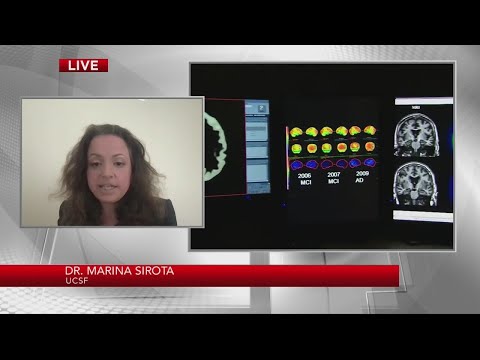
Scientists found a way to predict Alzheimer’s up to seven years before symptoms appear using A.I.
QUICK HEALTH VIDEO: You CAN reduce risk of Alzheimer’s. Learn 4 ways to improve your brain and maintain long-term health. Numerous studies show you really can do something about dementia.
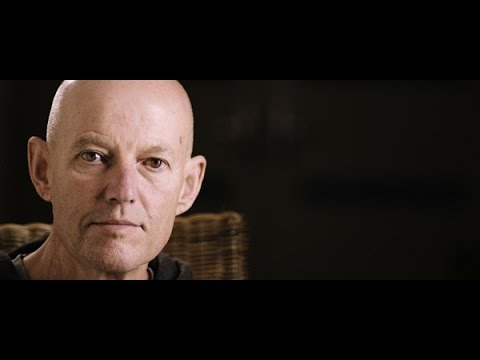
Very small things that people do can make a very big difference to people with dementia. Hear people with early dementia share their experiences, stigmas and what you can do to help create a dementia-friendly world.
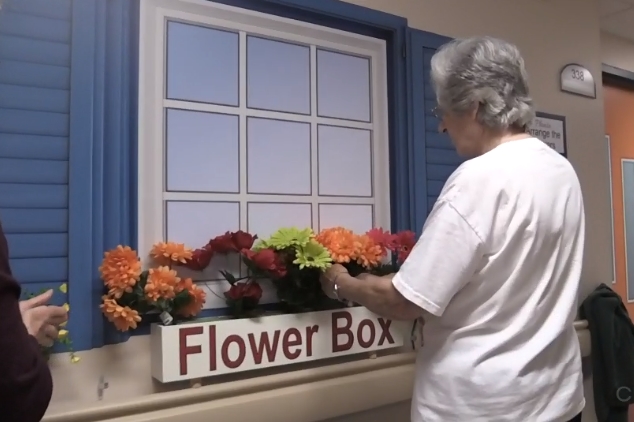
DESIGN VIDEO: See how Muskoka Shores is livening up their Dementia-home in 4 low-cost stages. Learn simple ways to turn a dull care home into a bright, dynamic, village-like place to live.
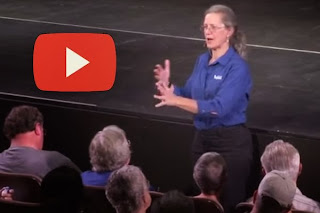
DIAGNOSIS VIDEO: TEEPA SNOW explores the challenge of getting a good diagnosis in today’s medical system. See her explain differences between Alzheimer’s and other dementias. Learn how to prepare for a brain health checkup.
Southminster and Memory & Movement Charlotte introduce their new caregiver training program, “Step into the Story”. Learn how to care for seniors with memory loss, in a deeply meaningful way.
VIDEO + ARTICLE: 40,000 people around the world participated in Western University’s sleep and brain health study. See Neuroscientists use cognitive performance activities to revealed surprising insights. Get 6 sleep tips.
SHORT-TERM MEMORY lapses are obvious signs of Alzheimer’s, but other tell-tale signals begin to show much earlier. Learn how to look for semantic impairments, such as simple questions about size.
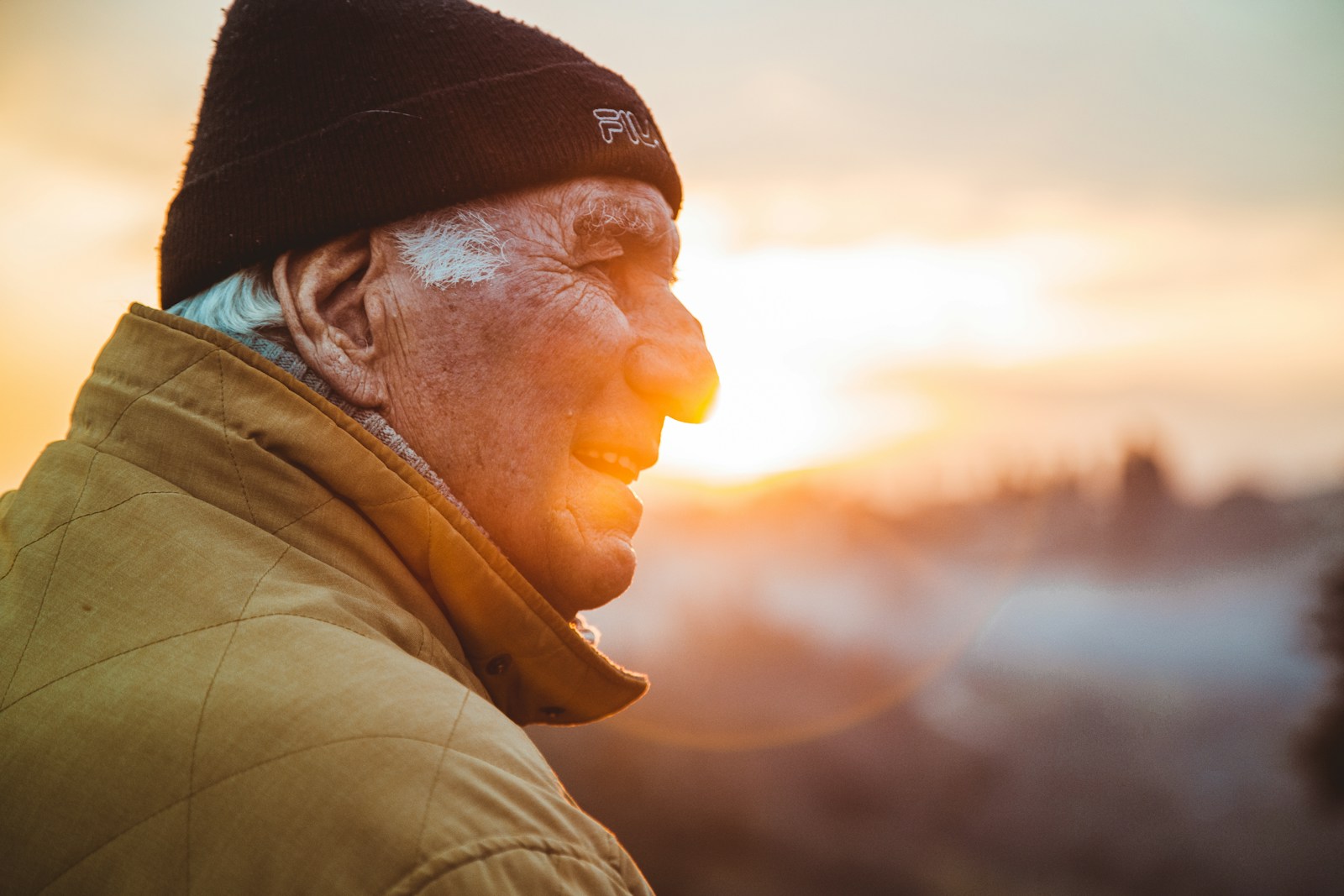
Three important dementia studies focus on HS-AGING, a type of dementia almost as common as Alzheimer’s in the 85+ group. Yet few people have heard of it. Why? What makes it different?
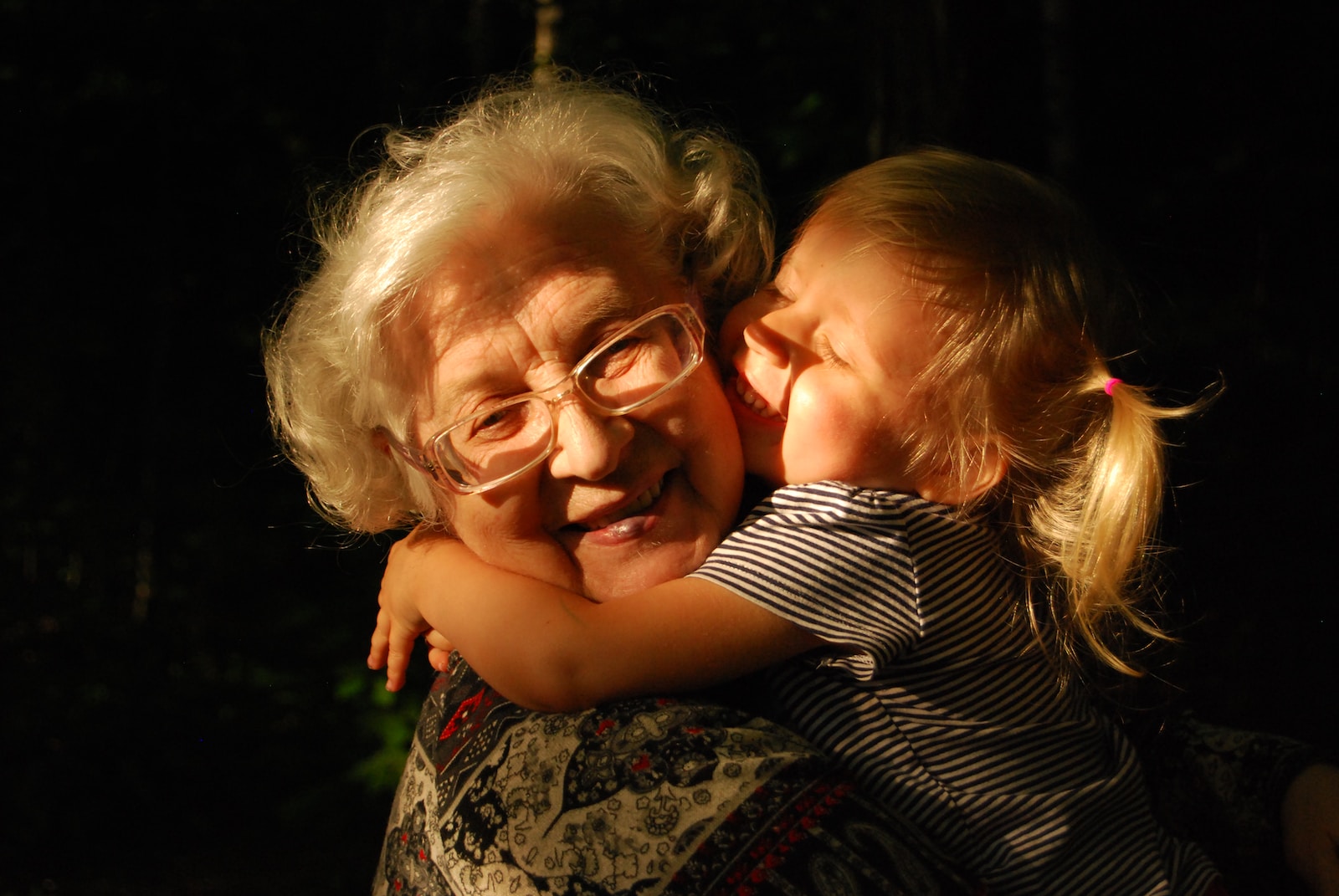
An intriguing study of 120 grandmothers might surprise you. Doctors know socially engaged people have better cognition and less dementia. But can a person get too much of a good thing? What’s the right balance?
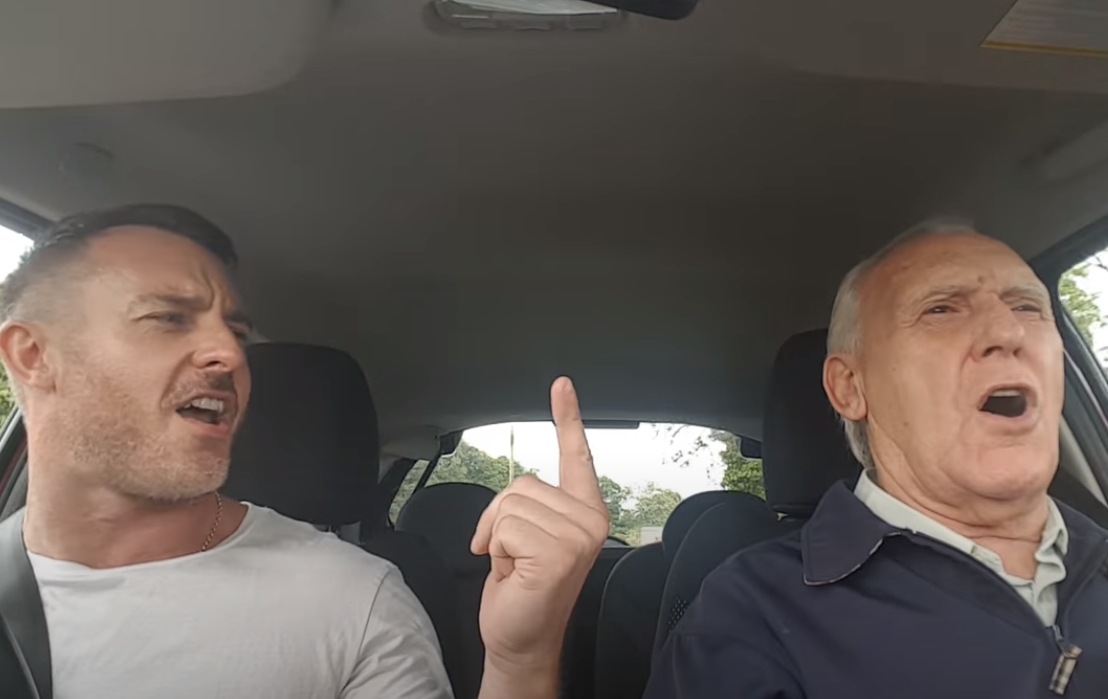
Enjoy this great duet between a musician with dementia and his son. A triumph of spirit over Alzheimer’s! Sing-a-long if you like!