85 with Dementia? Good Chance It’s HS-AGING, Not Alzheimer’s
Three important dementia studies focus on HS-AGING, a type of dementia almost as common as Alzheimer’s in the 85+ group. Yet few people have heard of it. Why? What makes it different?
Three important dementia studies focus on HS-AGING, a type of dementia almost as common as Alzheimer’s in the 85+ group. Yet few people have heard of it. Why? What makes it different?

University of Oxford research revealed groundbreaking findings that could reshape dementia prevention. Ozempic (AKA Semaglutide/Wegovy), a type-2 diabetes and weight-loss drug, seems to significantly reduce the risk of dementia.

UNDERSTANDING ALZHEIMER’S: Lisa Genova wrote the Alzheimer’s classic, “Still Alice”. See her discuss myths and facts about Alzheimer’s with leading Alzheimer’s activist Maria Shriver.

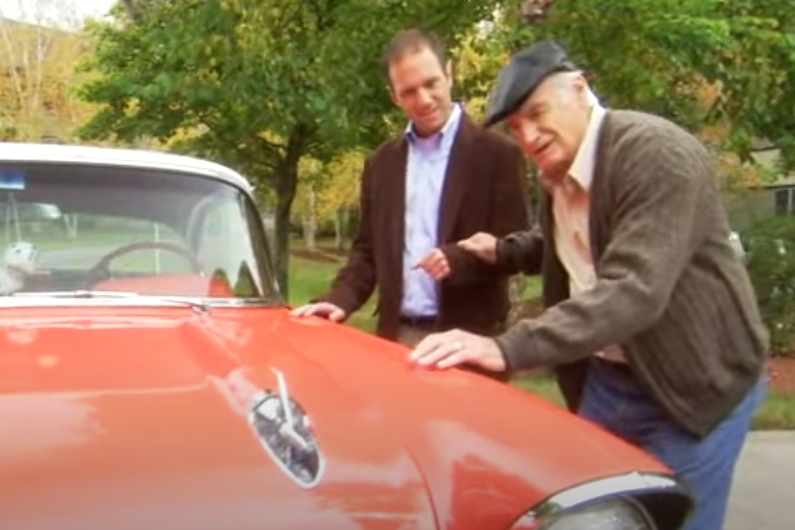
VIDEO – INSIDE EDITION: A Californian “time capsule” kindles sparks of joy in Alzheimer’s, as people see a world they remember. A ’50s-themed diner has a jukebox playing rock ‘n’ roll classics and a 1959 Ford Thunderbird’s on display. Phone booths with rotary dials, vinyl record players and vintage clothing round things out. See Jackie and her daughter Kimberly playing music to jog mom’s memory and make new moments possible.
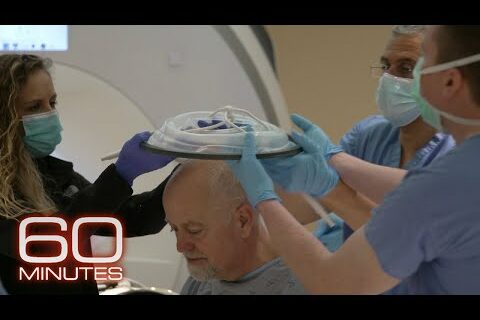
“60 Minutes” interviews American neurosurgeon Dr. Ali Rezai. He is pioneering a new way to treat Alzheimer’s, focusing beams of ultrasound on the brain.

WONDERFUL SONG+LYRICS:
Dementia-patient Ted McDermott journeys with son Simon, making famously beautiful music together. Get your smile ready and join in.

The Newest Alzheimer’s Drugs, Kisunla and Leqembi, are the first to actually slow down Alzheimer’s. How do they compare to each other?

Remember, there is no such thing as a small act of kindness. Every act creates a ripple with no logical end. (CafePress)

VIDEO & ARTICLE – ALZHEIMER’S INTERNATIONAL CONFERENCE:
In a set of 3 studies, see how exercise and sleep lowered Alzheimer’s, while sitting around and watching TV resulted in significantly worse brain health.

SAFETY: Too much heat is not safe for anyone. It is even riskier if you have a dementia such as Alzheimer’s. Check out these tips on how to get heat-relief quickly.
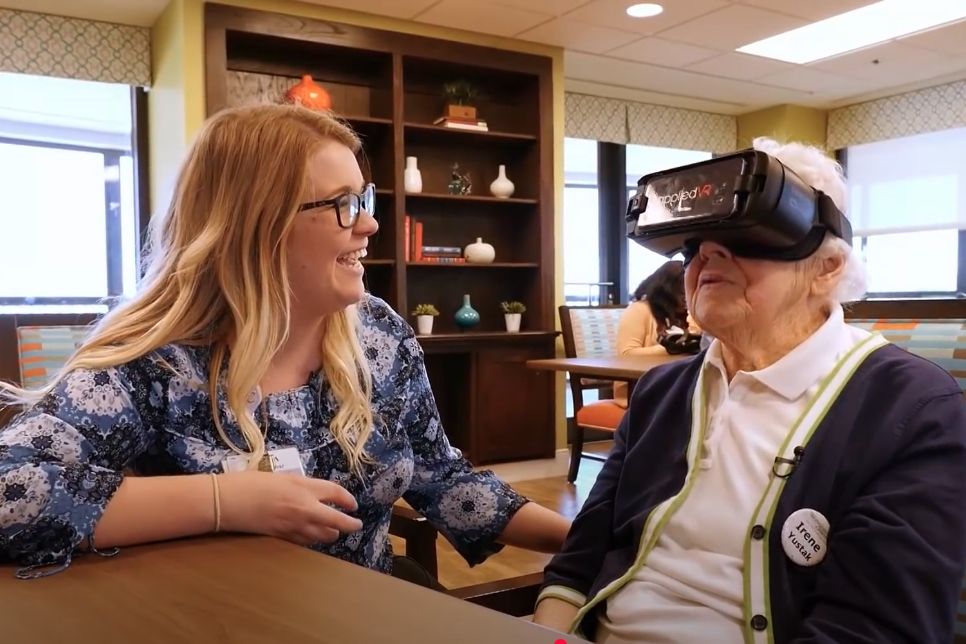
See how living with dementia can be a full and meaningful life, in this Virginia Film Festival movie. Watch innovative approaches in memory care communities that improve the well-being of residents.

Twenty percent of people over 65 have mild memory and thinking problems that don’t interfere with day-to-day life. Doctors call this MCI, short for Mild Cognitive Impairment. Find out more about what it is and what to do about it.

FREE DOWNLOAD: This booklet is rich with care practices based on research by highly-credentialed investigators.
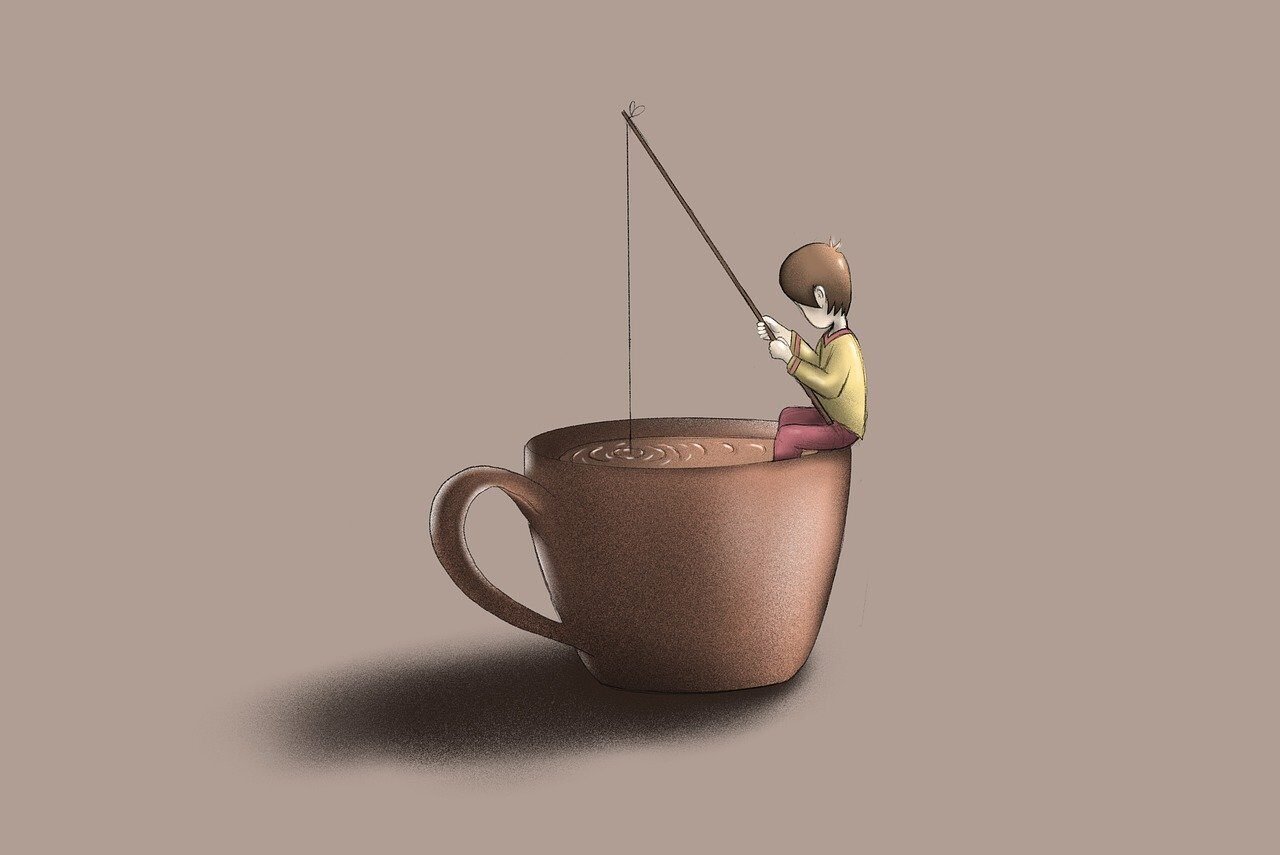
SHORT-TERM MEMORY lapses are obvious signs of Alzheimer’s, but other tell-tale signals begin to show much earlier. Learn how to look for semantic impairments, such as simple questions about size.

Three important dementia studies focus on HS-AGING, a type of dementia almost as common as Alzheimer’s in the 85+ group. Yet few people have heard of it. Why? What makes it different?
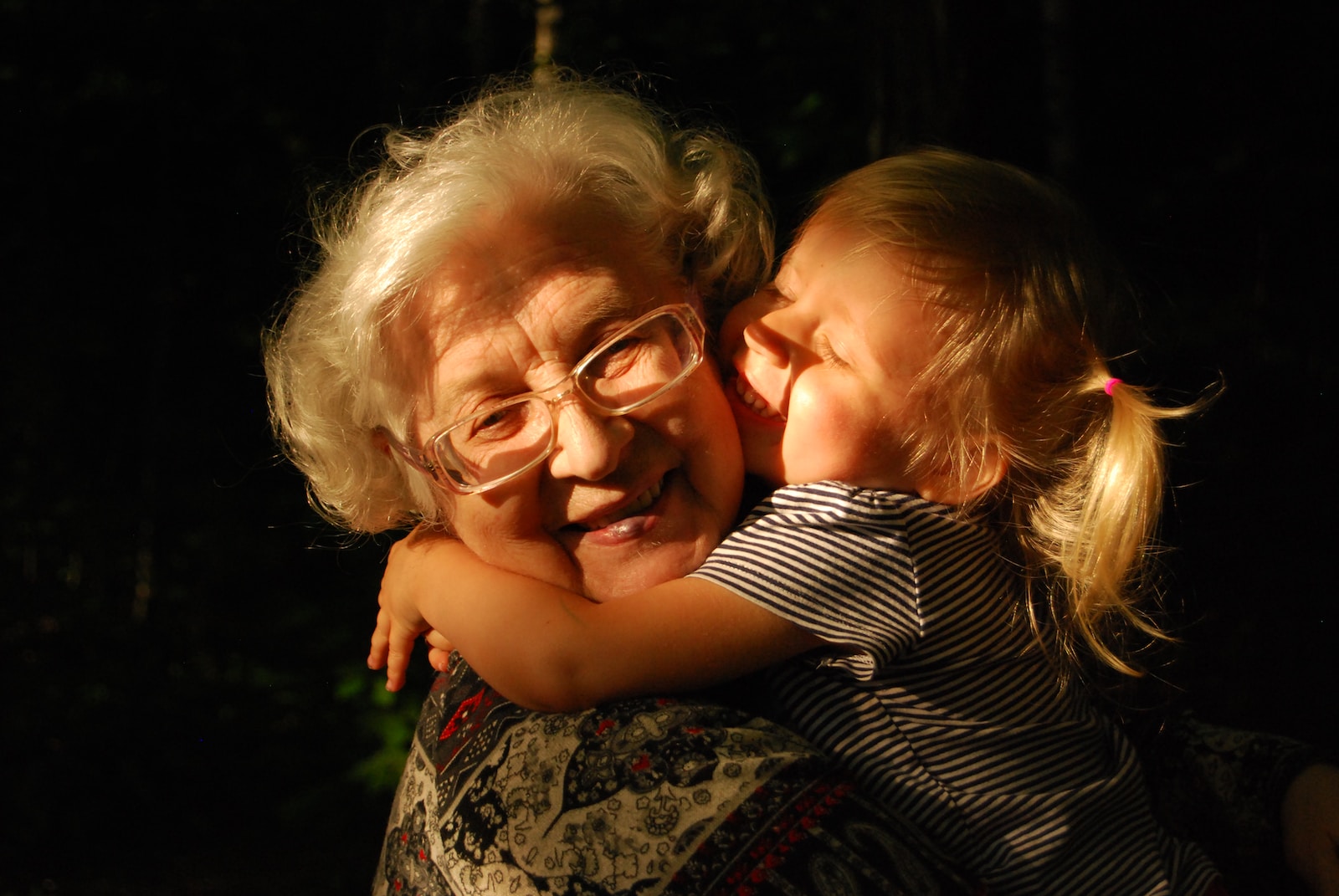
An intriguing study of 120 grandmothers might surprise you. Doctors know socially engaged people have better cognition and less dementia. But can a person get too much of a good thing? What’s the right balance?

Enjoy this great duet between a musician with dementia and his son. A triumph of spirit over Alzheimer’s! Sing-a-long if you like!